Suave – Vegan Knitting Yarn Put to the Test
Sarah Mordelt from knit.by.sarah introduces you to Suave – our vegan, cloud‑soft organic cotton yarn. Discover how versatile it is, whether you knit it on its own or combined with other fibers.
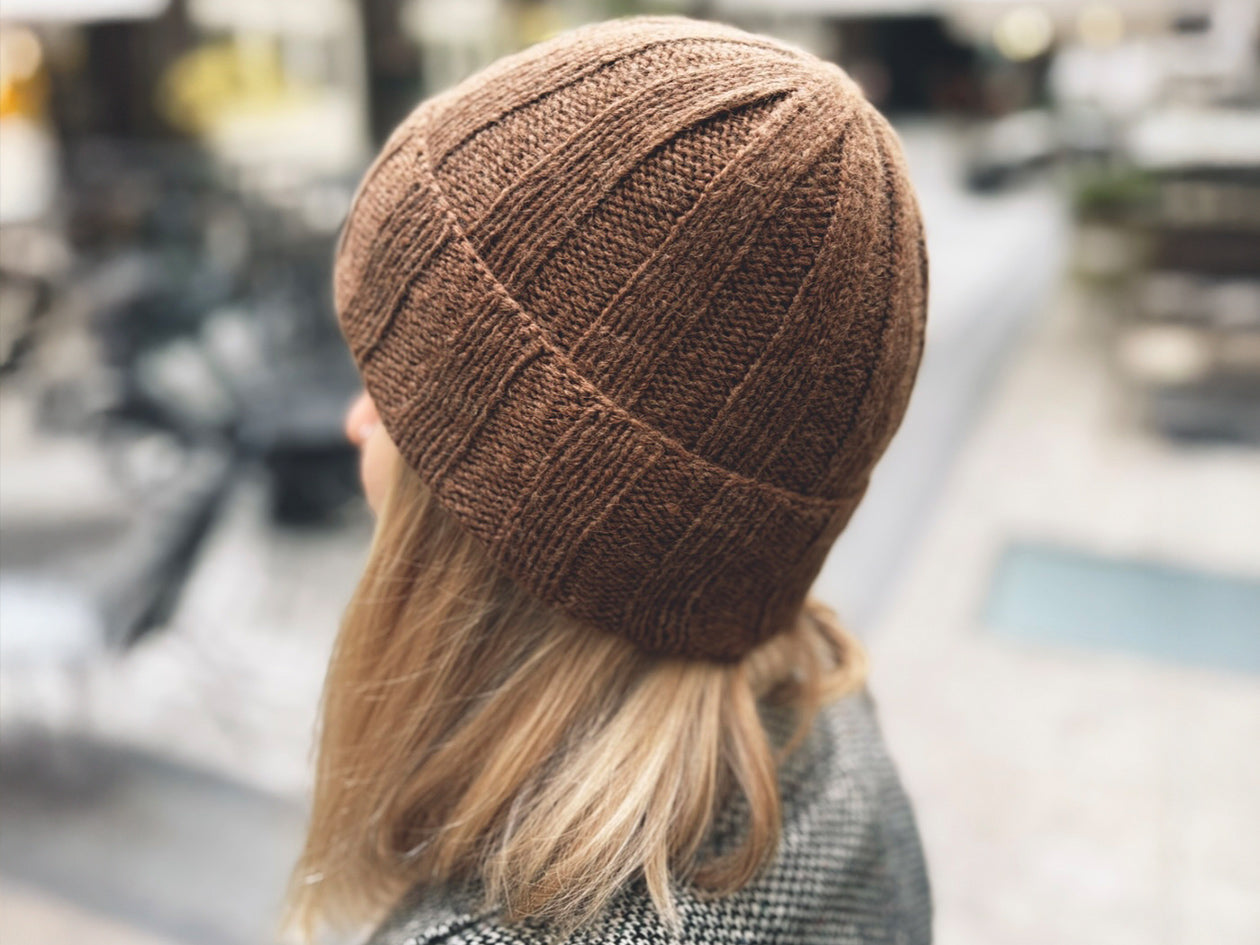
Free Pattern: Four by Four Hat by Dagna Zielińska
A simple pattern that never gets old, a yarn with an elegant sheen, and a designer who elevates knitting to a passion – all of this comes together in the Four by Four Hatby Dagna Zielińska. With ju...

Color Pairing – Find the Perfect Color Combination
Colors have a huge impact – they can be harmonious, exciting, calming, or powerful. In this post, you’ll learn how colors affect us, which basics of color theory can help you, and how to find inspi...

Book Release: Åsa Tricosa – Ziggurats · Colour & Texture
Åsa Tricosa’s new Ziggurat book: 17 designs, colour & texture, seamless top-down knitting – pure inspiration for advanced knitters.

Putting the Spotlight on … Cashmere Delizia
On the Needles … Cashmere Delizia! In our blog post, discover everything about the new, wonderfully soft cashmere yarn from Pascuali – from its production and unique qualities to knitting tips. Fin...

What to Do with Leftover Yarn? Creative Ideas...
We’ll show you creative, practical, and sustainable ideas to make the most of your leftover yarn – from tidying up to your next favorite project. Get inspired and discover how much joy just a few m...

Sharing Isn’t Always Okay...
The crafting world is, fortunately, usually a kind and friendly place. Whether in virtual communities or in-person knitting groups, people knit together, exchange ideas, discuss techniques, inspire...
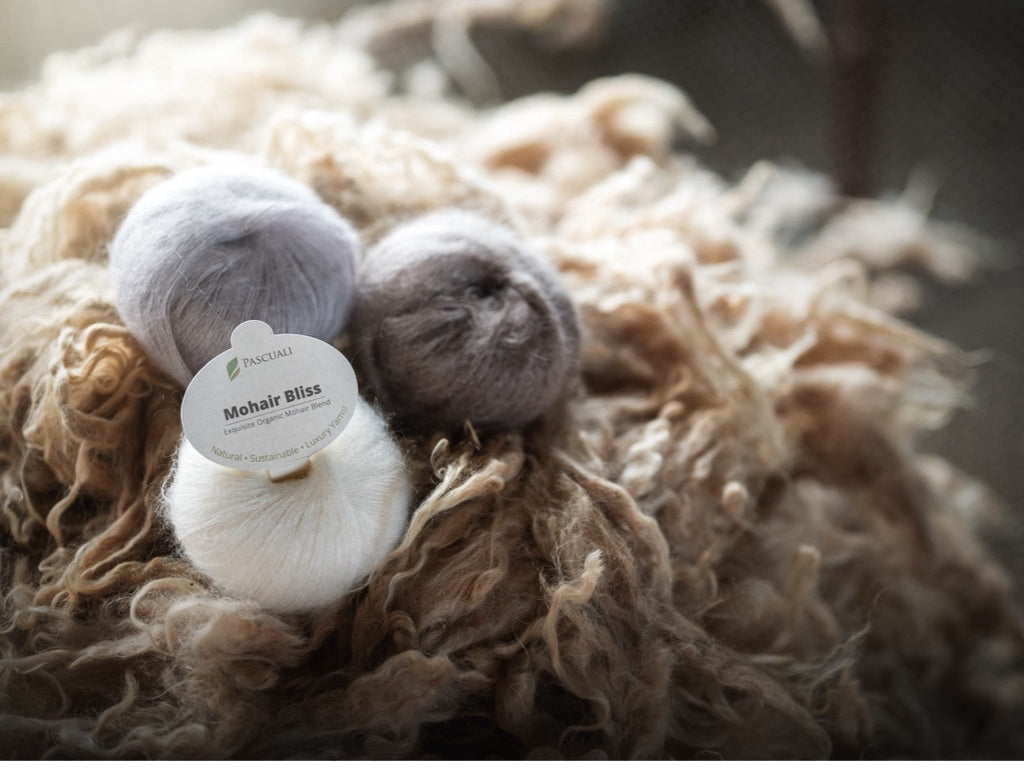
Sustainable Yarns: Why Pascuali Prioritizes Quality and Ethics
Sustainable yarn plays a crucial role in fashion, influencing the quality, environmental impact, and ethics of the finished garments. Brands like Pascuali focus on fair working conditions, eco-frie...
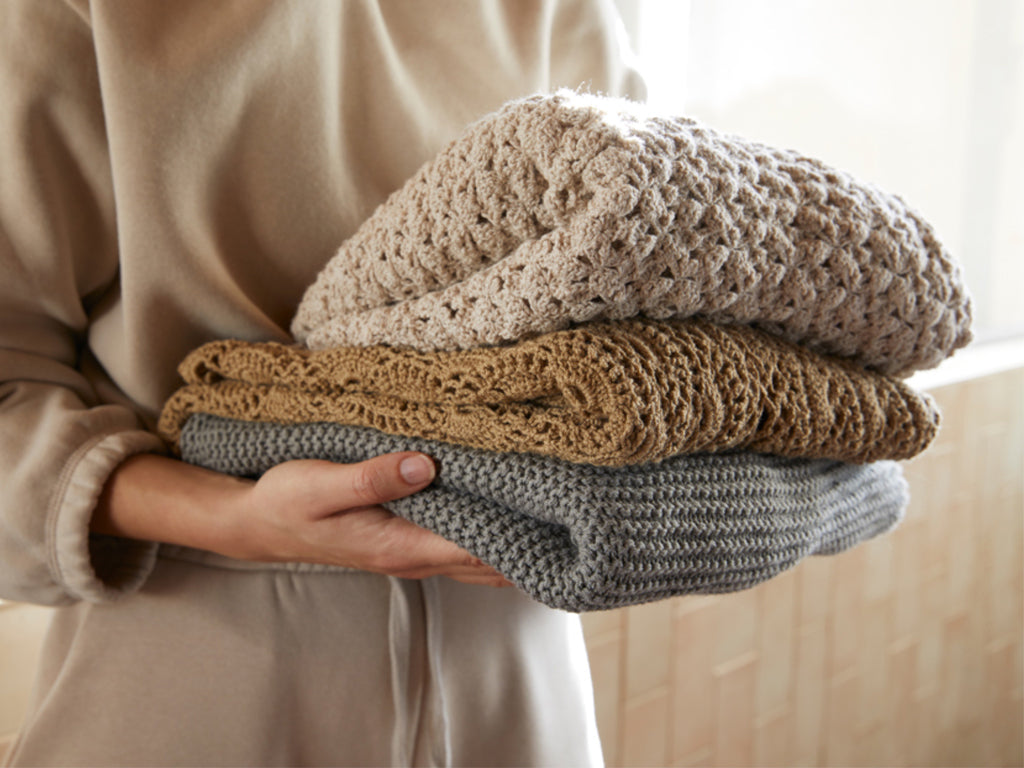
Slow Fashion: Why Hand-Knitted Clothing Is a Great Contribution to Sustainability
The fashion industry is one of the biggest polluters, but knitting offers a sustainable alternative. With high-quality yarns and long-lasting designs, handmade work becomes a statement against mass...